


Next Level Dog Training

Corgi
Training

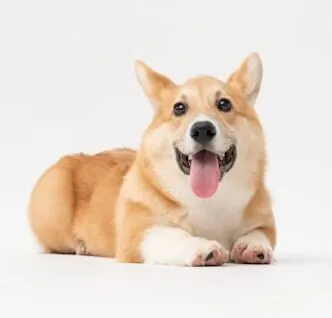
The Corgi, best known in its Pembroke Welsh and Cardigan Welsh varieties, is a highly intelligent herding breed with a bold personality and strong working instincts.

Despite their small size, Corgis were originally bred to herd cattle, which means they possess impressive stamina, confidence, and a natural desire to control movement. While they are affectionate and loyal companions, Corgis can quickly develop unwanted behaviours without clear structure and consistent training. Their herding instincts, intelligence, and strong will require owners to provide clear leadership, mental stimulation, and well-structured training routines.
cog-hole
Corgi Training
cog-plain

Common Behavioural Challenges

While Corgis are extremely intelligent and capable learners, their herding heritage means certain behaviours can become problematic without guidance.

Early training and structured engagement help ensure their instincts are directed in a positive and manageable way.

Herding Behaviour

Corgis were bred to herd livestock by controlling movement, often by nipping at heels. This instinct can carry over into everyday life, leading them to herd children, joggers, or other pets. While this behaviour is natural, it needs to be redirected through training that teaches impulse control and appropriate engagement.

Vocal Behaviour

Corgis are known for being very vocal dogs. They tend to bark to alert their owners, communicate excitement, or express frustration. Without proper boundaries, barking can quickly become excessive. Teaching calm behaviour and reinforcing quiet responses is important in managing this trait.

Stubbornness

Although highly intelligent, Corgis can also be quite independent thinkers. If training lacks engagement or structure, they may ignore commands and attempt to make their own decisions. Training sessions must remain consistent, rewarding, and mentally stimulating to keep them motivated and focused.

High Energy

Despite their small stature, Corgis are energetic working dogs that require both physical activity and mental stimulation. Without enough engagement, they may develop behaviours such as chewing, barking, or restlessness. Structured walks, problem-solving games, and obedience training help keep their minds and bodies balanced.

Our Approach to
Corgi Training

We understand the energetic and intelligent nature of the Corgi and tailor training programmes that channel their instincts in a productive way while strengthening the relationship between dog and owner.

Structured Obedience

Clear rules and consistent structure help Corgis understand expectations. We focus on improving obedience, focus, and impulse control through engaging training sessions.

Recall Training

Although Corgis are attentive to their owners, distractions can easily capture their attention. We use structured recall exercises to improve responsiveness and reliability.

Mental Stimulation

Corgis thrive when given tasks that challenge their minds. Training includes problem-solving exercises and structured engagement to prevent boredom and frustration.

Social Skills

Corgis thrive when given tasks that challenge their minds. Training includes problem-solving exercises and structured engagement to prevent boredom and frustration.
Common Questions
Whether you're looking to understand Corgi behaviour, training needs, exercise requirements, or how to manage their strong herding instincts, we've got you covered. Below, we answer the most common questions to help you better understand and train your Corgi.

Corgis are highly intelligent dogs and are generally very trainable. Originally bred as working herding dogs, they are quick learners and often enjoy training that challenges their minds. However, their intelligence also means they can become independent thinkers if training lacks structure or consistency. Clear communication, engaging training sessions, and positive reinforcement help ensure a Corgi remains focused and motivated.

Heel nipping is a natural behaviour linked to their history as cattle herding dogs. Corgis were bred to move livestock by controlling their movement, often by nipping at the heels of larger animals. While this instinct is normal, it can lead to problems if directed toward people, children, or other pets. Training focuses on teaching impulse control and redirecting this instinct into appropriate outlets.

Corgis can be quite vocal dogs. They were originally used as alert dogs while working livestock, which means they naturally bark to communicate or signal activity. Without guidance, this behaviour can become excessive. Training helps establish calm behaviour and teaches the dog when barking is appropriate and when it should settle.

Despite their short legs, Corgis are energetic working dogs that require regular exercise and mental stimulation. Daily walks, structured play, and training activities help keep them balanced and prevent boredom. Without enough engagement, a Corgi may develop unwanted behaviours such as barking, chewing, or restlessness.

Most Corgis can live happily with other dogs when they are properly socialised from an early age. Because of their herding instincts and confident personalities, some Corgis may try to control or herd other dogs during play. Structured socialisation and training help them learn appropriate behaviour and develop positive interactions with other dogs.

Contact Us.
If you're looking for expert Corgi training and behaviour support, contact us today to learn how we can help you achieve lasting results.

© 2026 Next Level Dog Training. All rights reserved.